
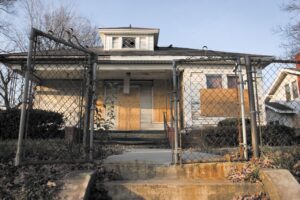
You’ll learn how to spot habitability problems early, use preventive maintenance, and meet or exceed your local standards.
1. Structural Integrity Issues That Make a Property Uninhabitable
Structural defects are some of the most serious habitability problems. Even a small foundation crack can turn into a major issue, creating safety hazards that make your property uninhabitable. Common structural problems include:
- Compromised foundations with significant cracking or settling
- Damaged load-bearing walls or support beams
- Deteriorating roofs with leaks or collapse risk
- Unstable floors or staircases
- Broken windows that compromise security and weatherproofing
If you ignore structural problems, you could face liability claims and lawsuits.
Inspect your property twice a year and fix any issues right away. Keep records of all inspections and repairs to stay compliant. Taking care of problems early protects your investment and helps you avoid emergencies.
2. Safety Hazards and Code Violations
Safety hazards can make a property uninhabitable right away and put you at risk for serious liability. Electrical issues, bad wiring, and missing safety systems are top causes of fires and injuries in rentals. Important safety requirements include:
- Up-to-code electrical systems with proper grounding and circuit protection
- Functional heating systems that maintain minimum temperatures (typically 68°F)
- Working smoke detectors on every level and in sleeping areas
- Carbon monoxide detectors near fuel-burning appliances
- Secure locks on all entry doors and windows
- Adequate lighting in common areas and stairwells
Always use licensed electricians for electrical work and keep records of inspections. Regularly test and maintain all safety devices. Make sure you know your local rules for yearly safety checks to avoid violations.
3. Environmental Hazards: Mold, Lead, and Asbestos
Environmental hazards are serious health risks and are closely regulated by federal and state laws. These problems can make a property uninhabitable right away:
- Mold growth from water damage, leaks, or inadequate ventilation
- Lead-based paint in properties built before 1978 (requires EPA disclosure)
- Asbestos in insulation, flooring, or ceiling materials
- Radon gas accumulation in basements and lower levels
- Contaminated water supply
Fix water leaks within 24 to 48 hours to stop mold. For homes built before 1978, follow lead paint rules and use certified contractors for any work. Only hire licensed professionals to remove asbestos.
4. Pest Infestations That Violate Habitability Standards
Serious pest infestations can make a property uninhabitable and violate health codes in most areas. Landlords are usually responsible for pest control unless the tenant caused the problem. Pests that threaten habitability include:
- Rodents (rats, mice)
- Cockroaches
- Bed bugs
- Termites causing structural damage
- Wasps or bees in living areas
Respond to pest complaints within 48 hours and hire licensed pest control experts for infestations. Prevent problems by sealing entry points, managing waste properly, and doing regular inspections.
Keep records of all pest control work. In most states, landlords must provide pest-free homes at move-in and fix problems quickly, or tenants may be allowed to withhold rent or end their lease.
5. Essential Utilities and Plumbing Failures
If essential utilities don’t work, the property is usually considered uninhabitable under state law. Landlords must provide and maintain:
- Running hot and cold water with adequate pressure
- Functional plumbing without leaks or sewage backups
- Working toilets, sinks, and bathtubs/showers
- Adequate heating during cold months
- Electricity with sufficient outlets and capacity
- Proper ventilation to prevent moisture buildup
- Trash removal services
Treat utility failures as emergencies. In most areas, you must fix problems like no heat, no water, or sewage backups within 24 hours.
Have reliable plumbers, HVAC technicians, and electricians you can call for emergencies. Give tenants clear emergency contact information and expected response times. Keep backup systems ready and respond quickly to complaints.
Protecting Your Investment: Key Takeaways for Landlords
Knowing what makes a property uninhabitable helps you avoid legal trouble, expensive repairs, and tenant disputes. Here are some key steps:
- Conduct regular property inspections (quarterly minimum)
- Address maintenance requests within legally required timeframes
- Maintain detailed records of all repairs and inspections
- Know your state and local habitability laws
- Respond to emergencies immediately (within 24 hours)
- Work with licensed professionals for specialized repairs
- Provide tenants with clear maintenance request procedures
Taking care of maintenance early keeps small problems from turning into violations. Preventive care protects your income, lowers your risk, and helps you attract good tenants.
Owning a rental property in Fort Pierce, partnering with a good property manager can significantly improve your results. At Real Property Management Dynamic, we care for every property and aim to go beyond your expectations. Contact us online or by phone at 772-251-1169 to find out more about what we offer.
Originally Published on January 24, 2024